A Conversation with Larry Barr and Chuck Weikel, Partners, Middle Branch Partners
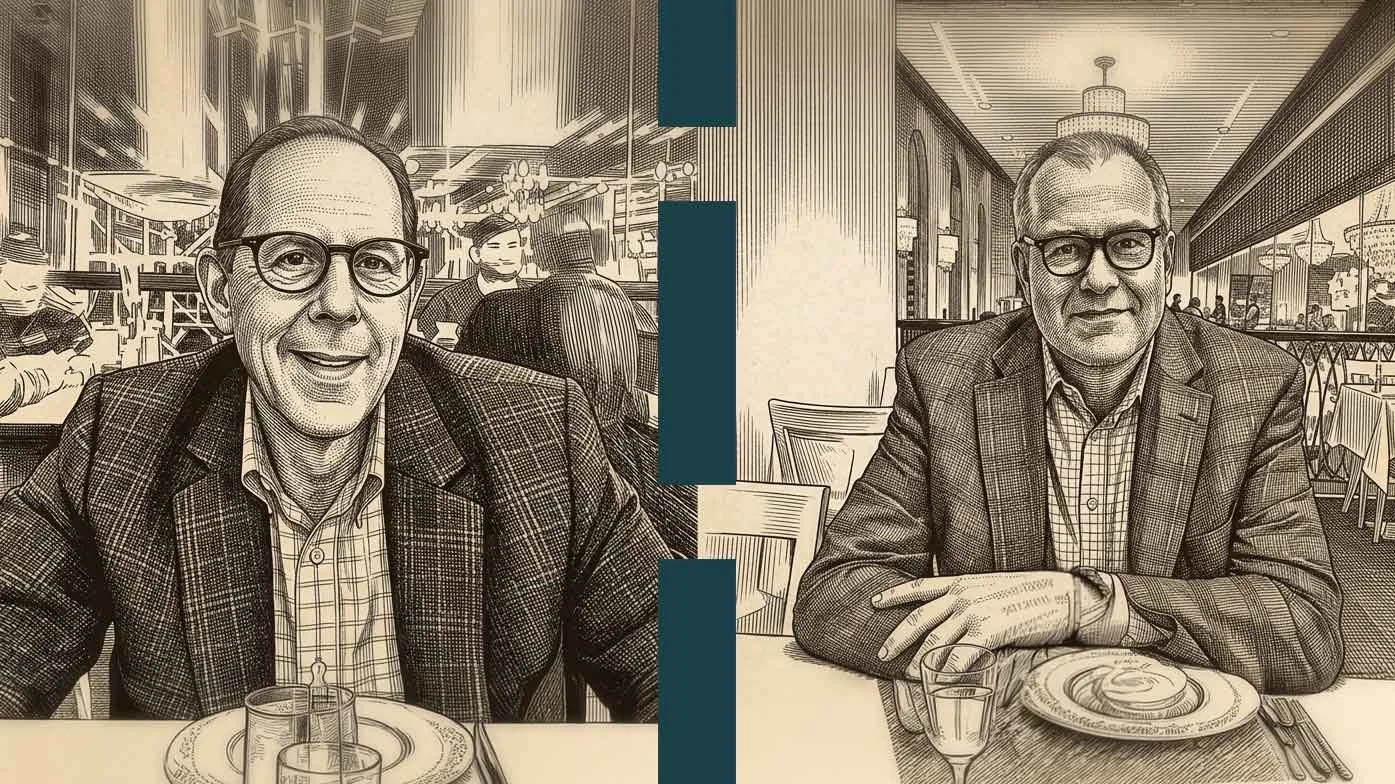
Middle Branch Partners’ Larry Barr (left) and Charles Weikel (right)
Chuck: Larry, we're halfway through 2026, and I think it's a good time to check in on where MedTech M&A stands. Let's start at the top — how would you characterize deal activity so far this year?
Larry: Honestly, it's continuing apace. If anything, the number of transactions moving through the market has held up better than a lot of people expected heading into the year. What's changed is the average size of the deals. We're just not seeing as many of the big, headline-grabbing transactions. The market has shifted toward smaller, more targeted acquisitions.
Chuck: That tracks with what we're seeing on my end too. And it's an interesting dynamic, because even with deal size coming down, we're not seeing buyers pull back on price.
Larry: No, quite the opposite. Valuations are higher than they were a year ago. Buyers are paying up for the assets they want, even in a smaller-deal environment. It tells you there's still real conviction out there about the long-term value of good MedTech businesses — people aren't just chasing scale for its own sake anymore, they're paying for quality and strategic fit.
Chuck: Let's talk about the macro backdrop for a minute, because I think it's shaping some of these decisions more than people realize. What I'm watching closely is the uncertainty in the political and financial markets right now. It's creating a real braking force on cross-border deals, particularly where there's meaningful tariff exposure.
Larry: That's a fair point, and it's worth drawing out. Domestic deals don't seem to be feeling that same friction.
Chuck: Right, it's very specifically a cross-border issue. When a target has significant international manufacturing or supply chain exposure, buyers are pausing to model out tariff scenarios before they commit. Nobody wants to sign up for a deal today and find out in six months that the economics have shifted because of a policy change. So we're seeing longer diligence timelines and more conservative structuring on anything with cross-border exposure.
Larry: It's a rational response. Nobody wants to be the one who signed at the top of an uncertain policy cycle.
Chuck: On the flip side, though, I want to make sure we don't paint too cautious a picture, because the financing backdrop is actually constructive right now. Interest rates look good for the time being. I don't see any immediate real threat to continued lending.
Larry: That's consistent with what I'm seeing too. Liquidity for deals is still widely available. Where it's changed is on the lender side — the lenders themselves have gotten more specialized and more focused. It's not the generalist capital we saw flooding into MedTech a few years back. Today's lenders know the subsectors they want to be in, they know the risk profiles they're comfortable with, and they're disciplined about staying in their lane.
Chuck: Which actually makes for a healthier lending environment in some ways, even if it means a little more work matching the right capital to the right deal.
Larry: Exactly. It rewards sponsors and advisors who know how to navigate that landscape and match a deal with the right capital partner, rather than just taking whoever shows up with a term sheet.
Chuck: Let's bring it back to Middle Branch specifically, because I think our own pipeline is a good reflection of the broader market. We've had a good first half of 2026 — two deal closings, and a meaningful amount of activity still pending.
Larry: And beyond what's already closed, we're actively advising a number of clients on strategic alternatives right now. That's a real signal of where the market is — a lot of MedTech companies are using this environment to seriously evaluate their options, whether that's a sale, a recapitalization, or bringing in a strategic partner.
Chuck: It speaks to the fact that owners aren't waiting on the sidelines for perfect conditions. They're being proactive.
Larry: Right, and frankly, with valuations where they are, it's a reasonable time to have those conversations, even with some of the macro noise Chuck mentioned.
Chuck: Let's shift gears and talk about something everyone wants our take on — AI. Larry, you've been fairly outspoken about this.
Larry: I have, and I'll stand by it. I'm generally skeptical of AI's impact on MedTech M&A specifically. There's a lot of noise and a lot of buzzword-driven pitch decks out there, but when I look at actual deal activity, I'm not seeing AI meaningfully move the needle yet — not in terms of driving volume, and not in terms of driving valuation premiums in any consistent way.
Chuck: I'll admit I'm a bit less skeptical than Larry. I can see some genuine uses for AI within MedTech — in diagnostics, in workflow automation, in certain R&D applications. There are real businesses being built around it.
Larry: No argument there — the technology itself has real applications.
Chuck: But all those uses are not necessarily M&A oriented.Right so my hesitation is specifically about its impact on deal activity. And on that point, I actually agree with Larry — the medium-term impact of AI on M&A volume and structure is genuinely unclear right now. We're not seeing it as a reliable driver of transactions yet, and I think anyone who tells you they know exactly how it plays out over the next two or three years is getting ahead of the data.
Larry: That's probably the most honest place to land on it. There's real technology, real potential, but it hasn't translated into a clear or consistent M&A trend yet — and we'd rather tell clients that plainly than oversell it.
Chuck: So, if I try to sum up where we are at the midpoint of the year — deal count is holding up, ticket sizes are smaller, valuations are higher, liquidity is available but more selectively deployed, cross-border activity is facing real headwinds from tariff and policy uncertainty, and Middle Branch has had a strong first half with more in the pipeline.
Larry: That's a fair summary. And underneath all of it, the fundamentals of the MedTech sector remain sound. There's still real strategic appetite out there, still capital willing to be deployed, and still plenty of good companies exploring their options. The second half of the year should keep building on that.
Chuck: Agreed. We'll keep watching the macro picture, particularly on the trade and tariff front, but overall I'd call this a constructive setup heading into the back half of 2026.
Larry: Couldn't agree more. Let's keep the conversation going.
Larry Barr and Chuck Weikel are Partners at Middle Branch Partners.